You probably wear the same leggings to Pilates as you do to the gym. And they’re probably limiting you without you even realizing it.
The workout of the moment, with the wrong clothes
Pilates has become the most popular workout in the world. According to ClassPass’s annual report, it was the most booked workout globally for the third consecutive year, with a 66% increase in bookings in 2025 alone.
And the vast majority arrive at their class wearing the same leggings they use for the gym. And while they may look good, they are designed for a different type of movement, and that affects your practice.
The problem with wearing your gym leggings to Pilates
When you work out at the gym, whether it's with weights, HIIT, or cardio, your body needs firm muscle support. Explosive movements, impact, lots of repetition. For that, high compression makes sense: it minimizes muscle vibration, reduces fatigue, and provides support.
Pilates works differently. It's a precision workout: control, breathing, rotation, extension. Your body needs to *feel* every movement, and for that, the fabric has to move with you, not against you.
Too much compression restricts range of motion and increases muscle tension.
And there's something else that few people mention: your instructor needs to *see* how your body moves. The alignment of your spine, the position of your hips, the rotation of your shoulders. A rigid fabric that doesn't fit well can hide exactly what she needs to correct.
Not all compression is created equal, and that matters
There's a compression scale for leggings, and each level serves a different purpose. The most common mistake is applying the same logic to all types of training.
High compression: Feels firm and very supportive. Can start to feel uncomfortable if worn for too long. Ideal for running, HIIT, and weightlifting.
Medium compression: Supportive without squeezing, complete freedom of movement. The ideal point for Pilates, barre, and yoga.
Soft compression: Second skin, almost no pressure. Perfect for gentle Pilates, stretching, and lifestyle wear.
For Pilates, the goal is to feel supported, not squeezed. There's a real difference between the two sensations, and once you notice it, you can't un-notice it.
What to look for in Pilates leggings
Beyond compression, there are four things that make a legging work well on the reformer or mat.
1. Four-way stretch
Pilates involves movements in all directions: forward, backward, rotation, extension. A two-way stretch fabric falls short. You need four-way stretch for the garment to follow all your movements.
2. High waist that stays put
In Pilates, there's a lot of hip flexion, torso rotation, and inverted positions. A waistband that slips down or up with every movement is not only uncomfortable, it breaks your concentration just when you need it most. The waistband needs to stay where you put it.
3. Fabric that doesn't give away too much
Pilates positions expose a lot: deep squats, leg extensions, reformer positions. Opacity is not a luxury, it's a requirement. If you have to worry about your leggings being see-through, you've already lost focus on the exercise.
4. No annoying seams on the floor
A large part of mat Pilates is done on the floor, on your back, on your side, face down. Thick seams or hard details in the fabric become uncomfortable pressure points when you're supported. Look for fabrics with flat seams or seamless construction.
INALA leggings designed for this
When we designed our line, we differentiated from the beginning between fabrics for high impact and fabrics for fluid movement. And it's important that you use the right one for your wellness routines because it's not possible for a single legging to do everything well.
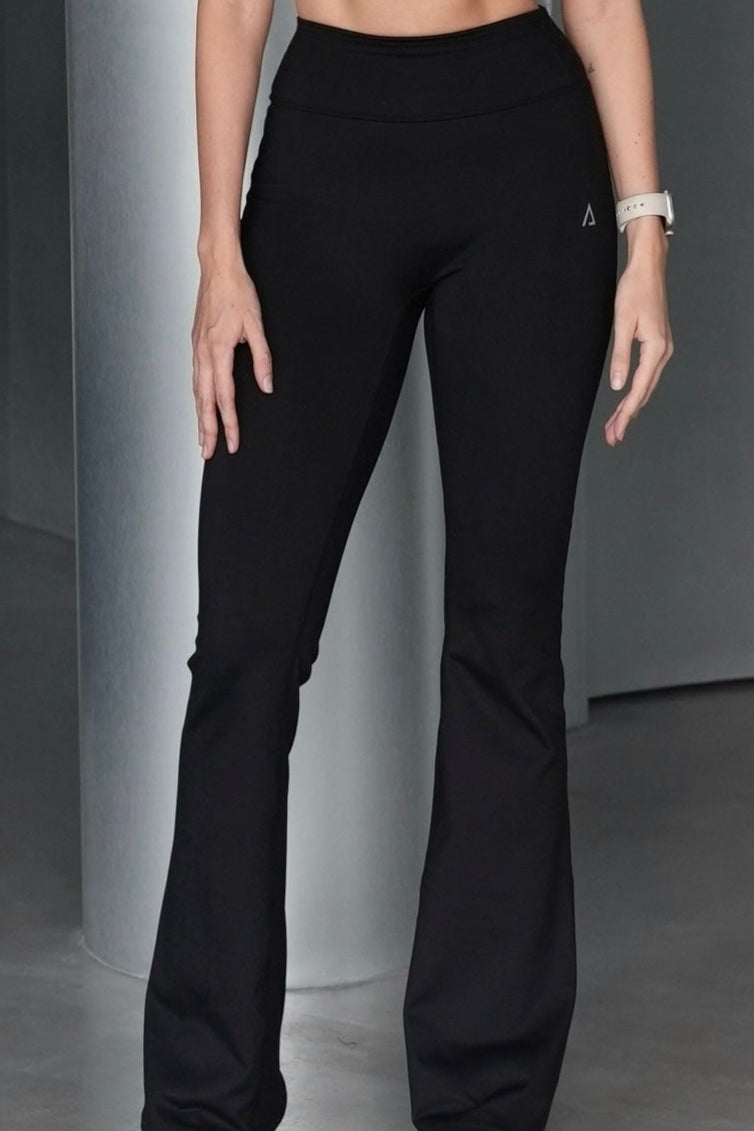
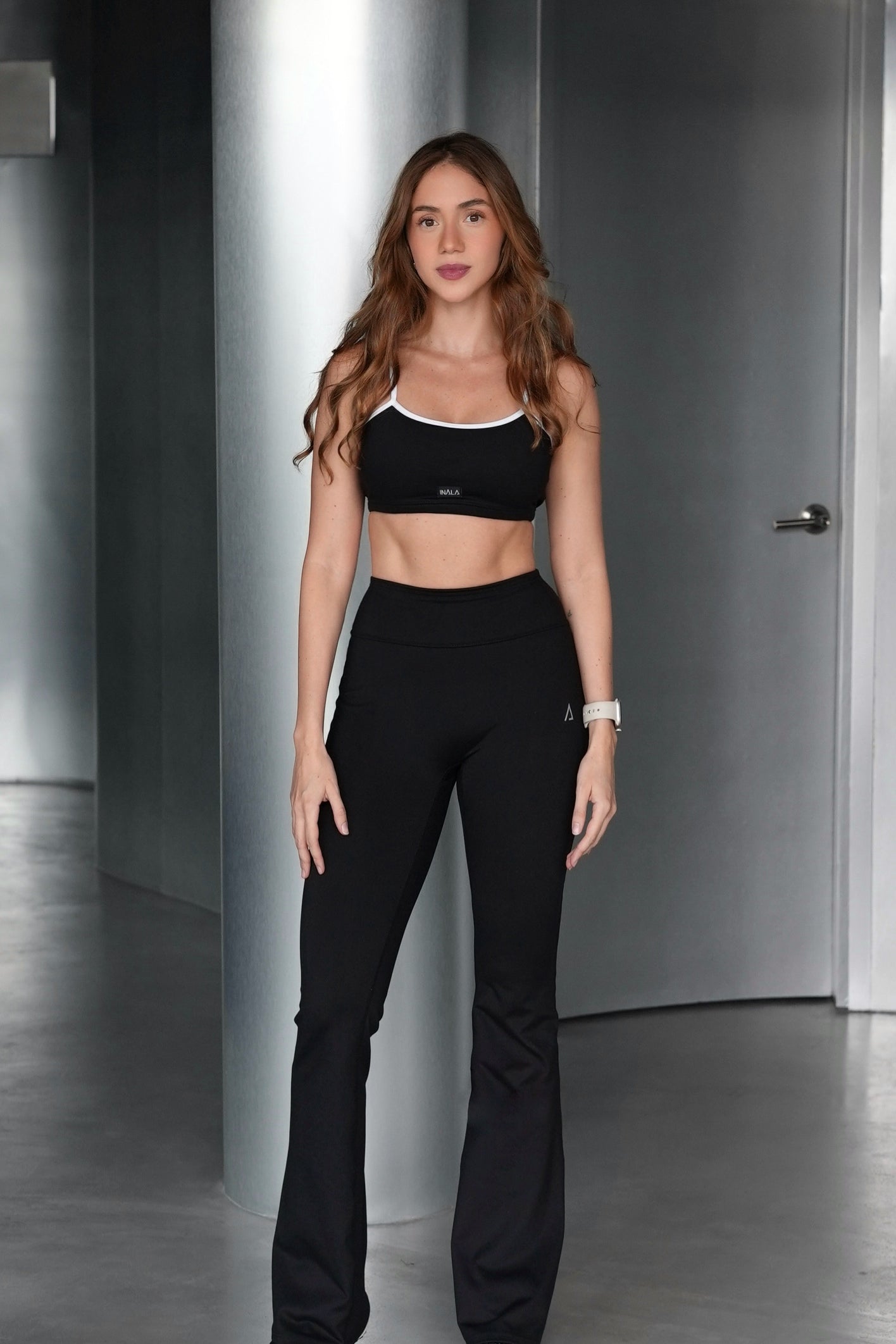
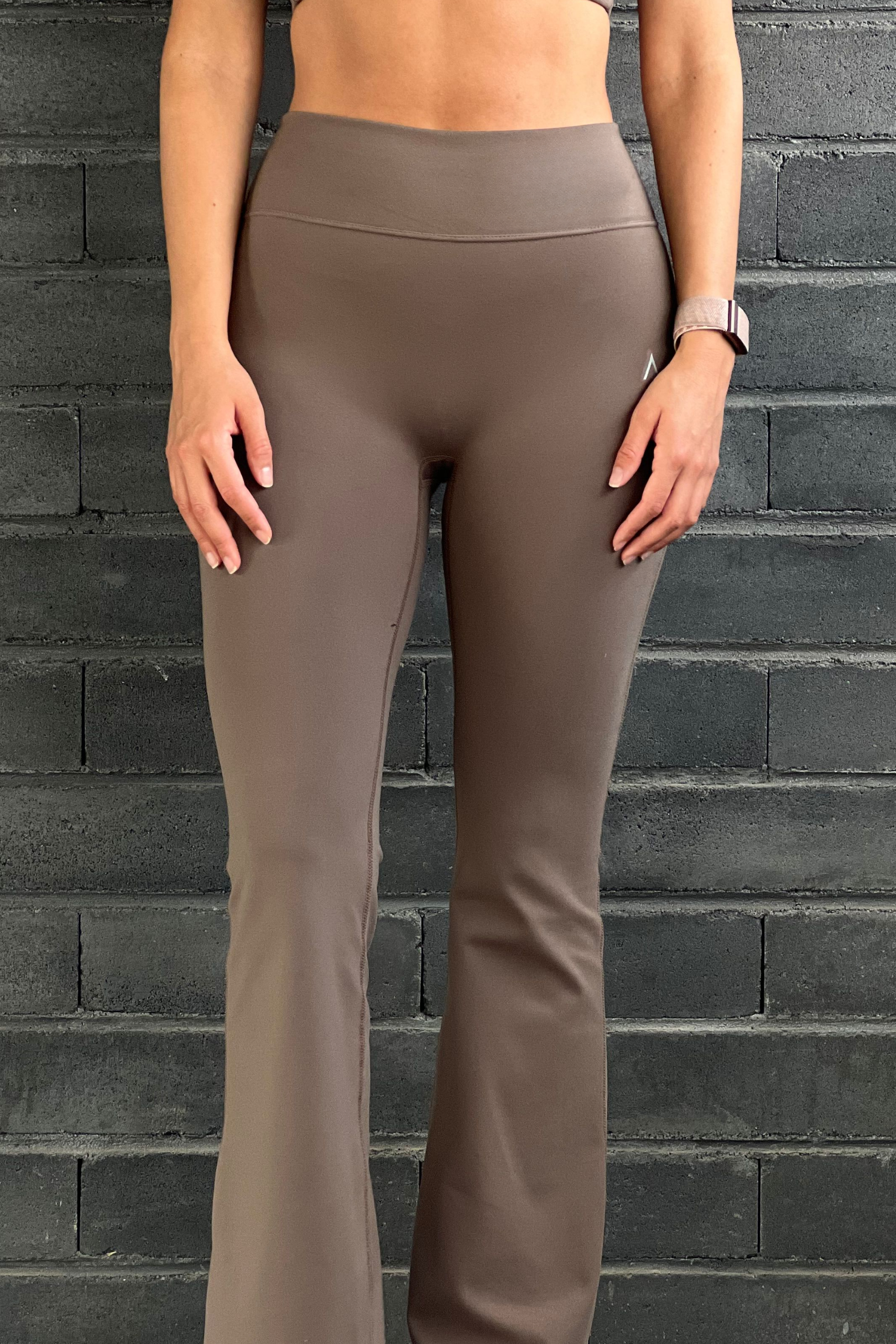
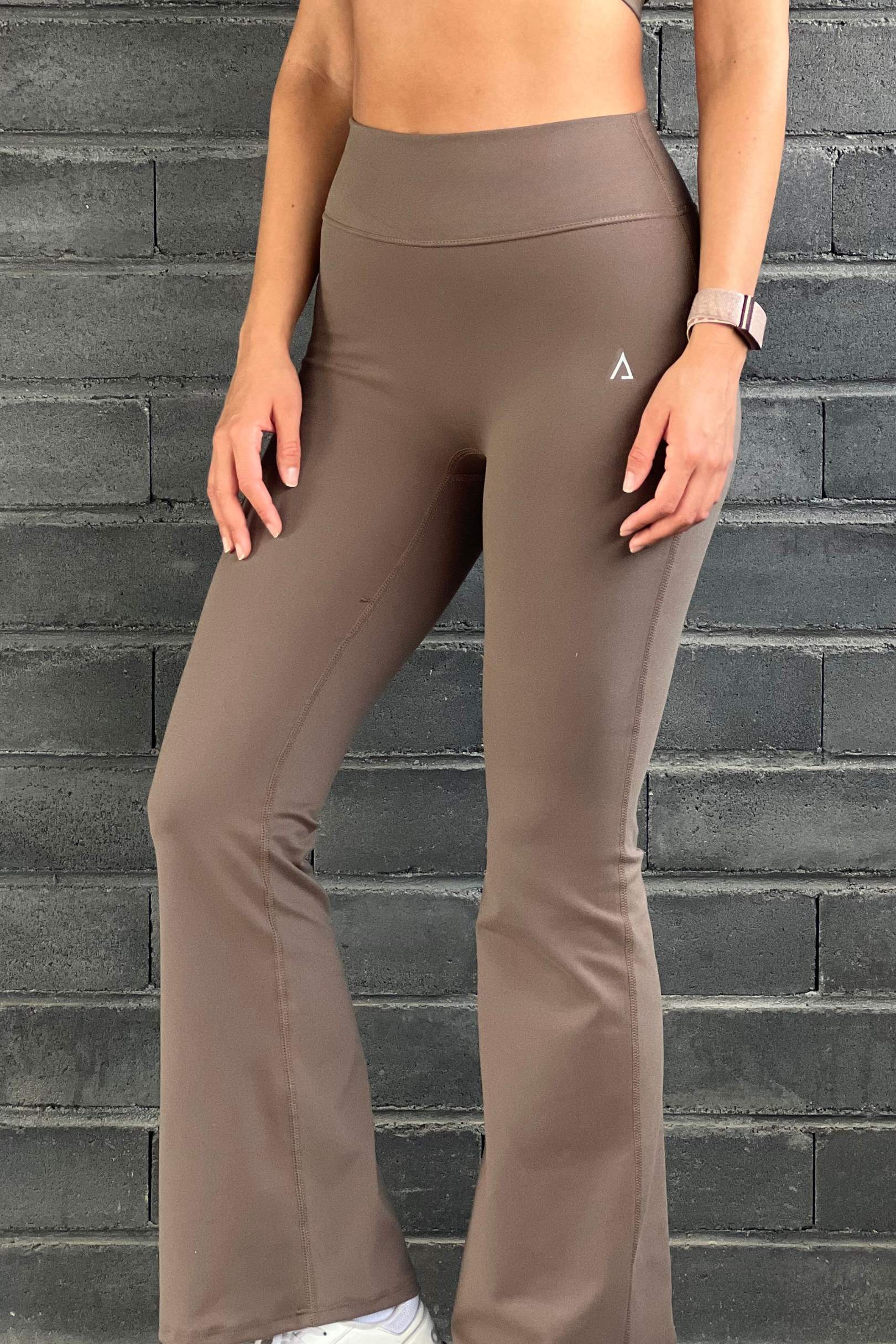
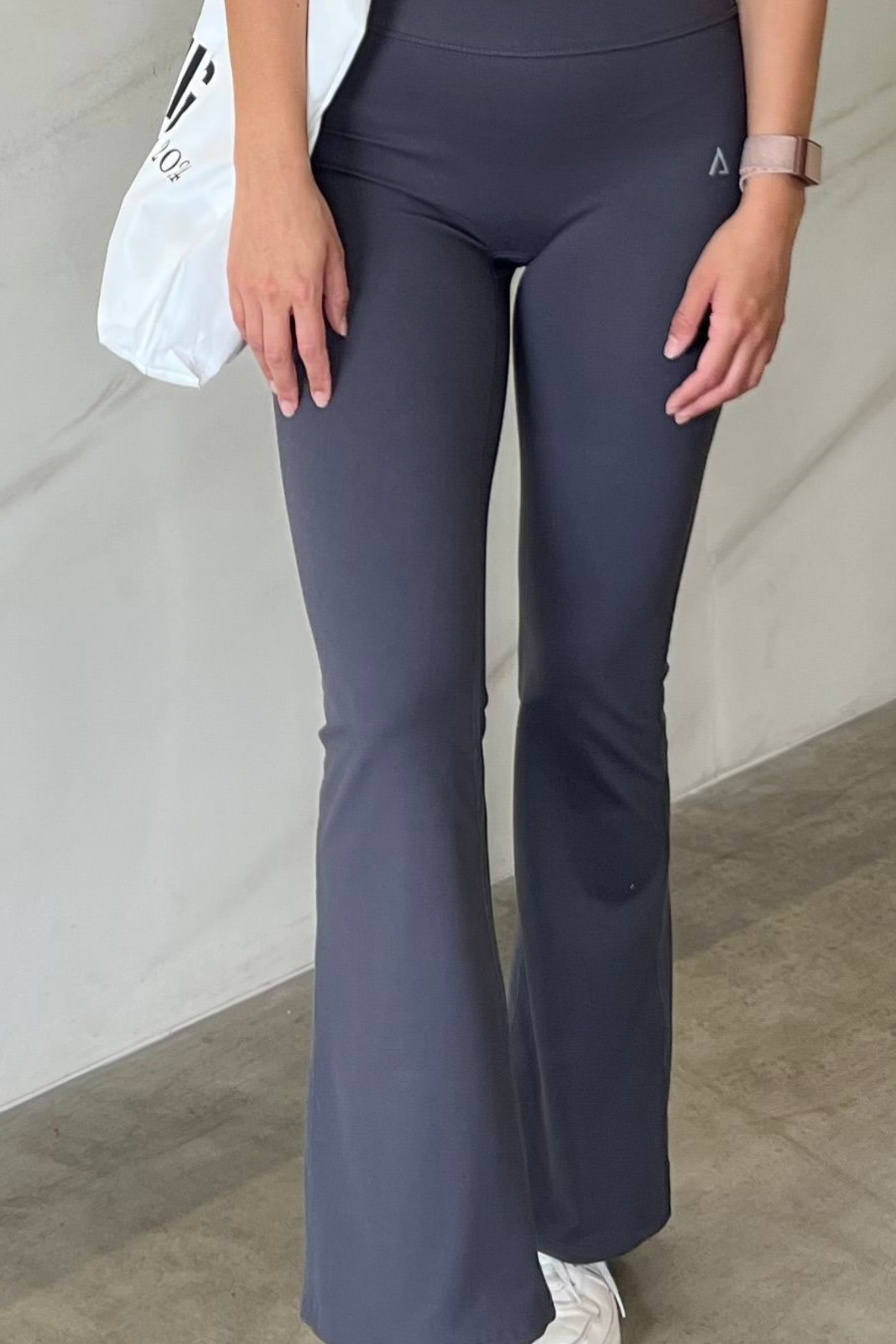
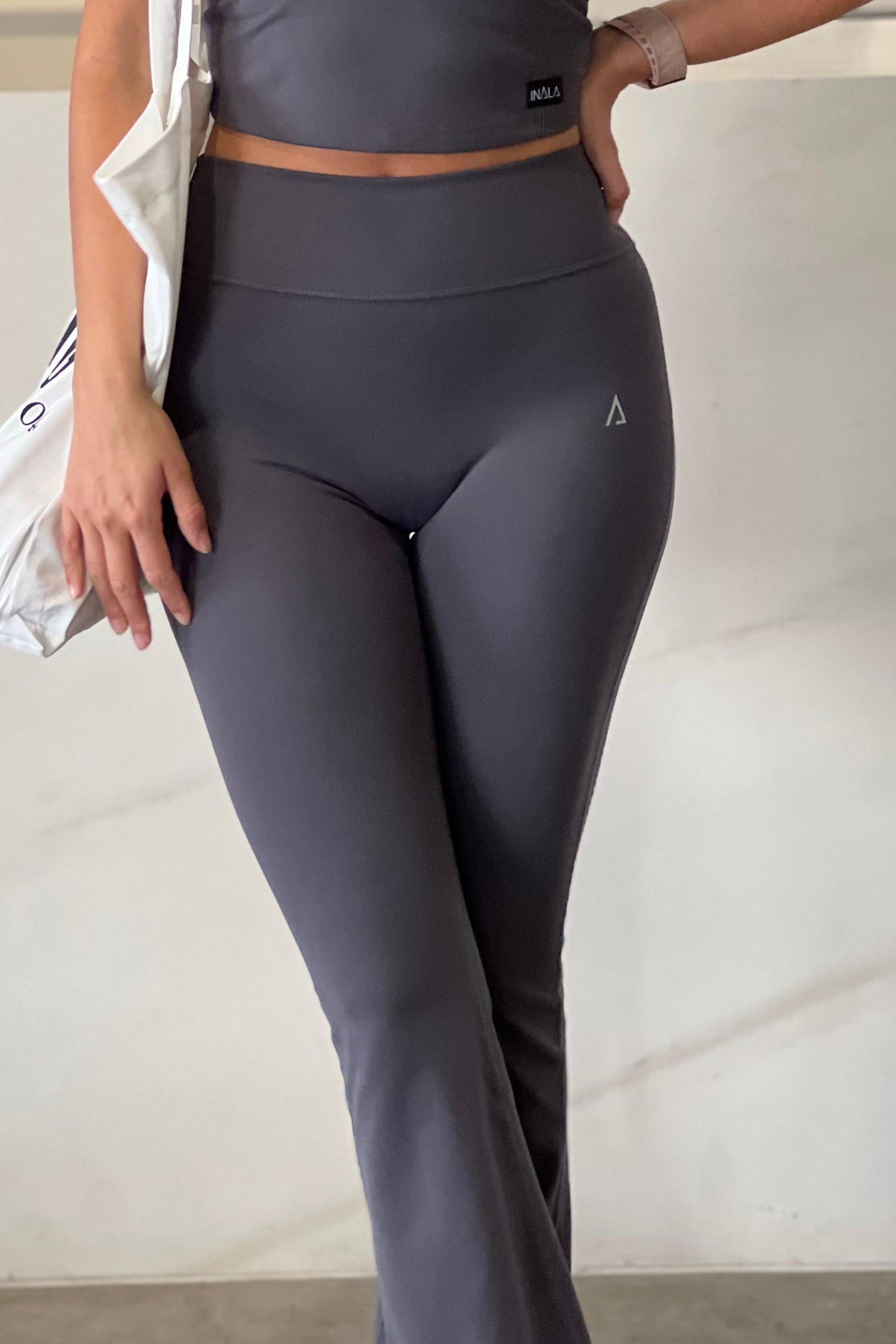
Basta Ancha Leggings (for Pilates and barre)
Butter-soft fabric with medium compression, four-way stretch, and a wide hem that gives complete freedom of movement. Designed so your instructor can see every line of your body, and so you can move without thinking about your clothes.
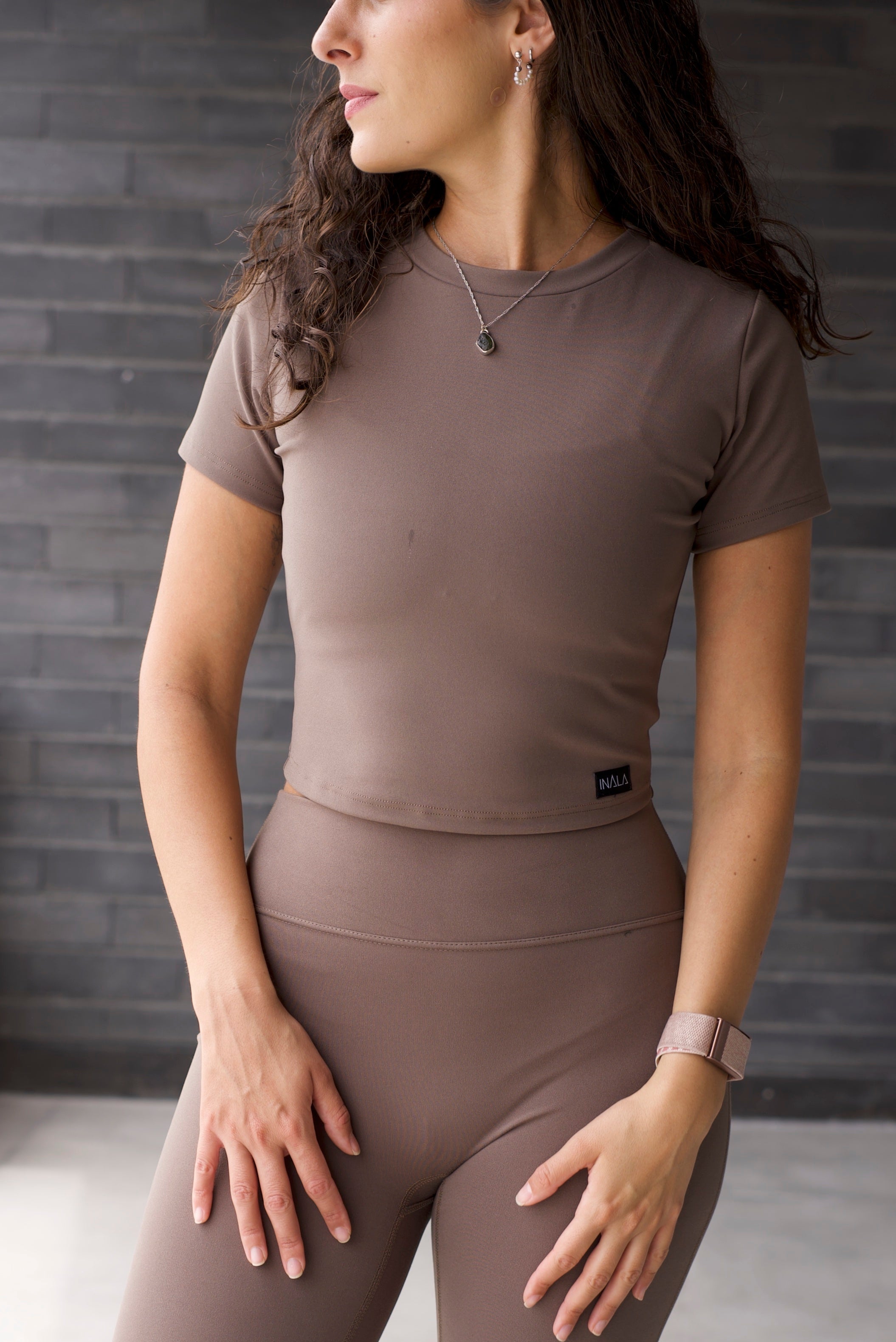
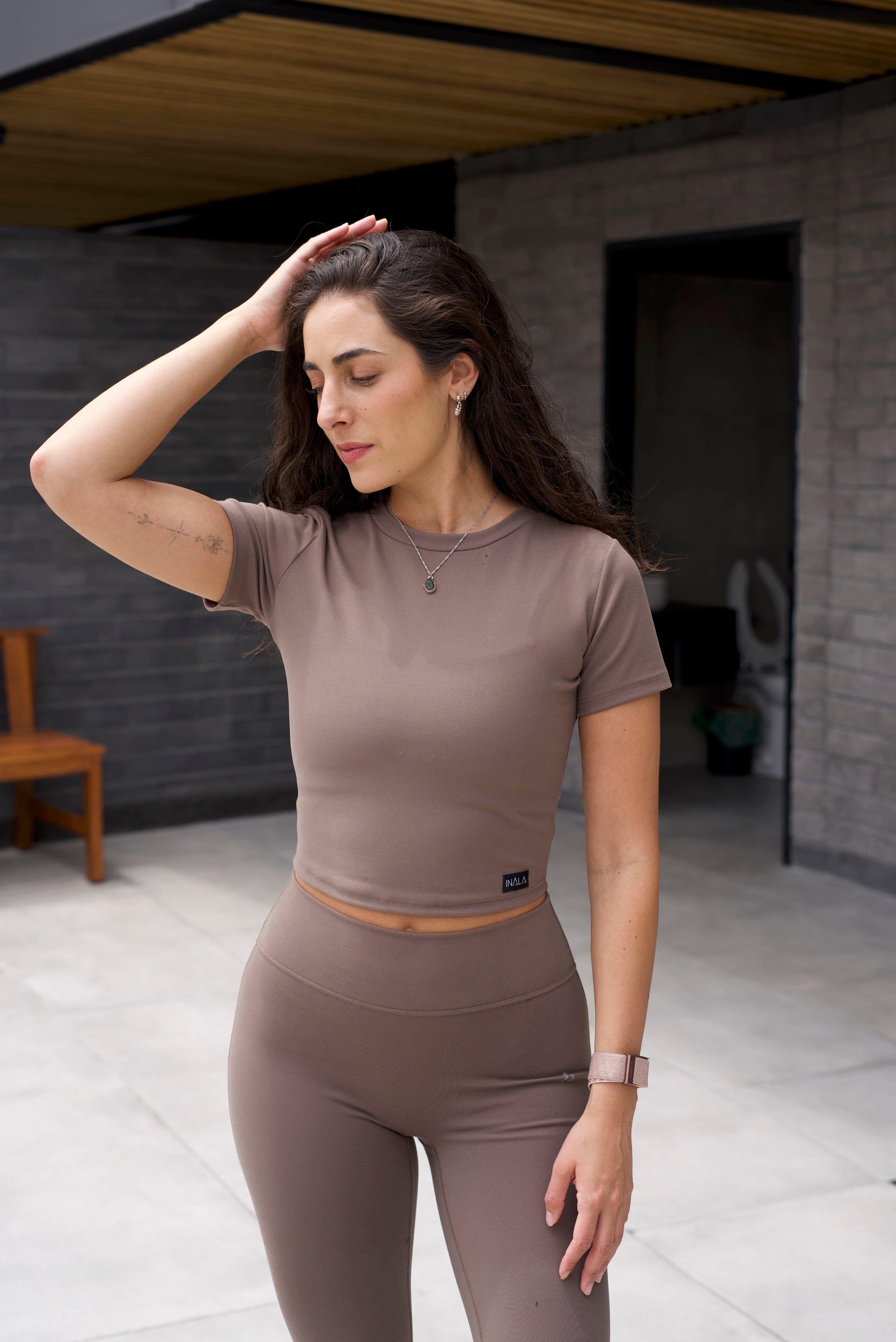
Wonder Leggings (for Pilates, yoga, and barre)
The tube version of our Basta Ancha leggings. Second-skin support, sculpting fabric that shapes without compressing. Designed to make you feel light and flexible.
A fact very few brands tell you
How you wash your leggings directly affects their compression level over time.
Hot water breaks down the elastic fibers of spandex. Fabric softeners leave a coating that destroys the fabric's ability to wick away moisture. And the dryer is the fastest way to ruin quality leggings.
Wash in cold water, without fabric softener, and air dry. Your leggings will maintain their shape, compression, and elasticity for much longer. The investment is worth more than it seems at first.
The conclusion
A good wellness wardrobe is built by understanding what your body needs for each type of movement, and choosing garments accordingly.
If you do Pilates regularly, you deserve leggings that live up to your practice.
If you want us to help you find your match, message us on WhatsApp.
Sources:
ClassPass 2025 Look Back Report
Enabl Life, "7 Pilates Clothing Mistakes Ruining Your Practice"
Vitality Athletic, "Balanced vs Maximum Compression Leggings"
Girlie Vault, "Best Leggings for Pilates
Yahoo Shopping, "Best Pilates Clothes 2026"
Complete Pilates, "What to Wear to Pilates"
Styled Mood, "Best Pilates Outfits"